HVAC Maintenance
Maintenance & Tune-Ups in Colorado
A yearly tune-up catches worn parts, checks safety controls, and keeps your system running well. We service furnaces, heat pumps, boilers, and AC units.
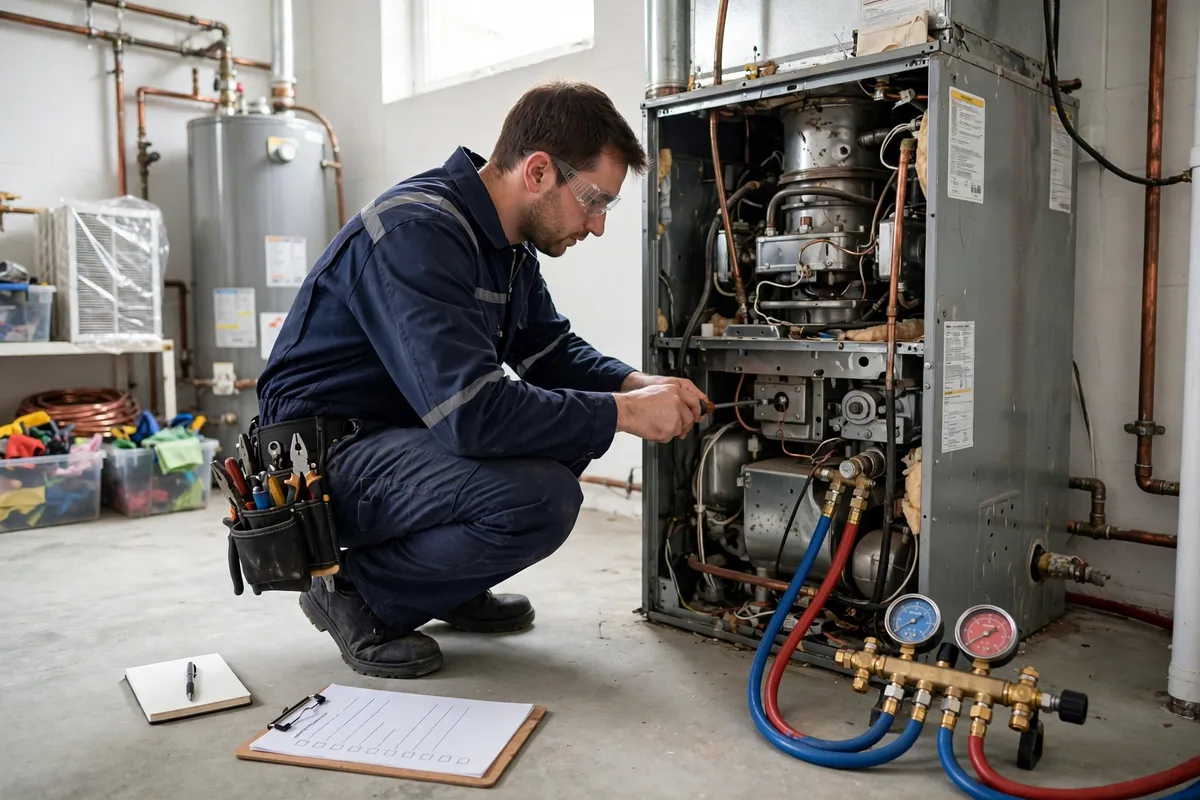
A tune-up is a planned check, not a repair. We open the unit, clean what needs cleaning, test the parts that wear out, and check the safety controls. The goal is simple: catch a worn belt, a dirty flame sensor, or a weak capacitor before it fails in the coldest week of winter or the hottest week of summer.
For the full picture of how we serve homes across the state, see the homepage. This page covers planned maintenance only. For a system that already broke down, see furnace repair, AC repair, or emergency HVAC repair.
Signs Your System Is Due for a Tune-Up
- A skipped season. The system has not been checked since last year, or longer.
- Rooms that drift uneven. Some rooms warm or cool well while others lag behind.
- New sounds. Rattling, squealing, or grinding that was not there last season.
- Higher energy use. The system runs longer to hold the same temperature.
- A filter that clogs fast. Dust, pets, or wildfire smoke load the filter between changes.
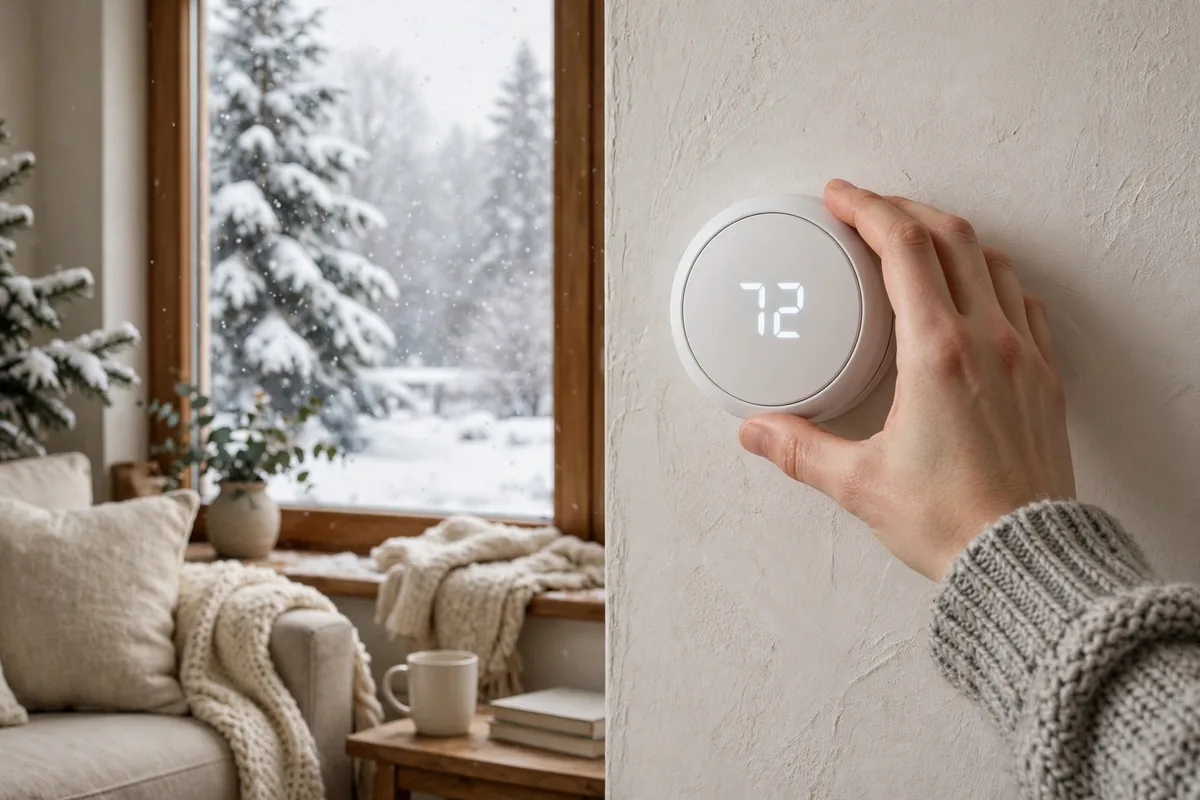
- A thermostat that feels off. The room feels warmer or cooler than the setting shows.
What a Tune-Up Covers
Furnace tune-up. We check the ignition, flame sensor, blower, filter, venting, and safety controls, and we clean the burner area.
Heat pump tune-up. We check airflow, coils, refrigerant charge, defrost controls, and the outdoor unit, and we clear debris from around the unit.
Boiler tune-up. We check pressure, the expansion tank, the circulator pump, air vents, valves, and venting.
AC tune-up. We check coils, the condensate drain, electrical parts, refrigerant charge, and airflow.
Each tune-up ends with a plain-language report: what we checked, what we found, and what to watch. We never start extra work without your say-so.
Thermostats
Thermostats get a full check during a tune-up. We test calibration, so the room temperature matches the setting. We check wiring and connections. We walk through programming, including setback schedules for nights and workdays. And we handle thermostat replacement, including smart thermostat setup, when the old control no longer reads true or no longer responds. A thermostat that reads wrong can run the system long after the room feels right, so a small fix here often makes a clear difference.
Maintenance, Repair, and Emergency: How They Differ
Maintenance is planned. We check the system before trouble starts. Repair fixes a fault that already showed up, such as a furnace that blows cold air or an AC that froze. Emergency repair handles a failure that cannot wait, such as no heat on a cold night. The three work together: maintenance lowers the chance of a breakdown, repair fixes what breaks, and emergency repair covers the failures that still happen at the worst time.
If your system already shows a fault, skip ahead to the repair page for that system. If it runs fine but has not been checked in a while, a tune-up is the right next step.
Try This Before You Call
Between tune-ups, a few small checks keep a system running well. These take a few minutes.
- Filter: check it each month during the heating and cooling season, and change it when it looks gray and clogged.
- Outdoor unit: keep leaves, snow, and plants clear of it, with open space on all sides.
- Vents: keep supply vents open and return vents unblocked.
- New noises: note what the noise sounds like and when it happens. That detail helps us find it fast.
- Thermostat batteries: change them when the display dims or goes blank.
If nothing above gets the system running, call us and describe what you found.
How a Tune-Up Visit Works
- You schedule, we dispatch. Tell us which system needs a check and when it was last serviced.
- We test the full system. We open the unit, clean the parts that need it, and test the parts that wear out.
- We explain in plain language. We test the safety controls that shut the system down when something goes wrong, and walk you through what we found.
- We take care of what the check finds. If a part is worn, we replace it with one made for your unit and show you the old one.
- We verify before we leave. We run the system through a full cycle, check airflow and temperature, confirm the thermostat reads true, and leave you a plain-language report with the filter size and change schedule.
What You Can Expect
Expect a steady, unhurried visit. A tune-up is not a sales call. We check the system, tell you what we found, and leave the choices with you. Expect us to show you the filter location, the thermostat settings, and anything we cleaned or adjusted.
After the visit, change the filter on the schedule we show you, and keep the area around the indoor and outdoor units clear. A filter upgrade can help a dusty home hold cleaner air between changes.
How Maintenance Compares With Repair
Maintenance prevents trouble. Repair fixes it. A tune-up catches a weak capacitor in fall, so the furnace does not fail in January. A repair replaces that capacitor after the furnace already quit. Both matter, and maintenance makes the second one less likely. For a business that needs planned service across many units, see commercial HVAC.
Frequently Asked Questions
Schedule a tune-up once a year for each system, before its heavy season. Book heating tune-ups in fall and cooling tune-ups in spring. A home with a furnace and an AC needs two visits, one for each system.
A furnace tune-up checks the ignition, flame sensor, blower, filter, venting, and safety controls, and it includes cleaning the burner area. We run the furnace through a full cycle and report what we found in plain language.
An AC tune-up checks the coils, the condensate drain, electrical parts, refrigerant charge, and airflow. We clean the coil surface, clear the drain, and run the system through a full cooling cycle before we leave.
Yes. A fall tune-up finds worn parts, weak ignition, dirty sensors, and pressure trouble while the weather is still mild. Fixing those faults in fall beats finding them on the first cold night of winter.
Not always. If the old thermostat reads true and responds well, it can stay. If it reads off, responds slowly, or cannot run the new system settings, replacement makes sense. We test the thermostat during a tune-up and tell you what we find.
A thermostat can read off when it sits near a heat source, in direct sun, in a draft, or on a wall that warms from a duct behind it. Wiring or calibration can also drift. We check placement and calibration during a tune-up and tell you what we find.
Last updated: October 16, 2026.
Sources and Further Reading
These government pages explain the same topics in more depth.