Furnace Repair & Installation
Capitol Hill Victorians and Park Hill bungalows run on older furnaces that need steady care, and we repair ignition faults, cold air, and short cycling, or replace units that keep failing.
Learn more →Denver Heating & Cooling
Denver sits at 5,280 feet with cold, dry winters and hot summer afternoons. From Capitol Hill to Cherry Creek and Washington Park, we repair, install, and maintain the HVAC systems Denver homes depend on.
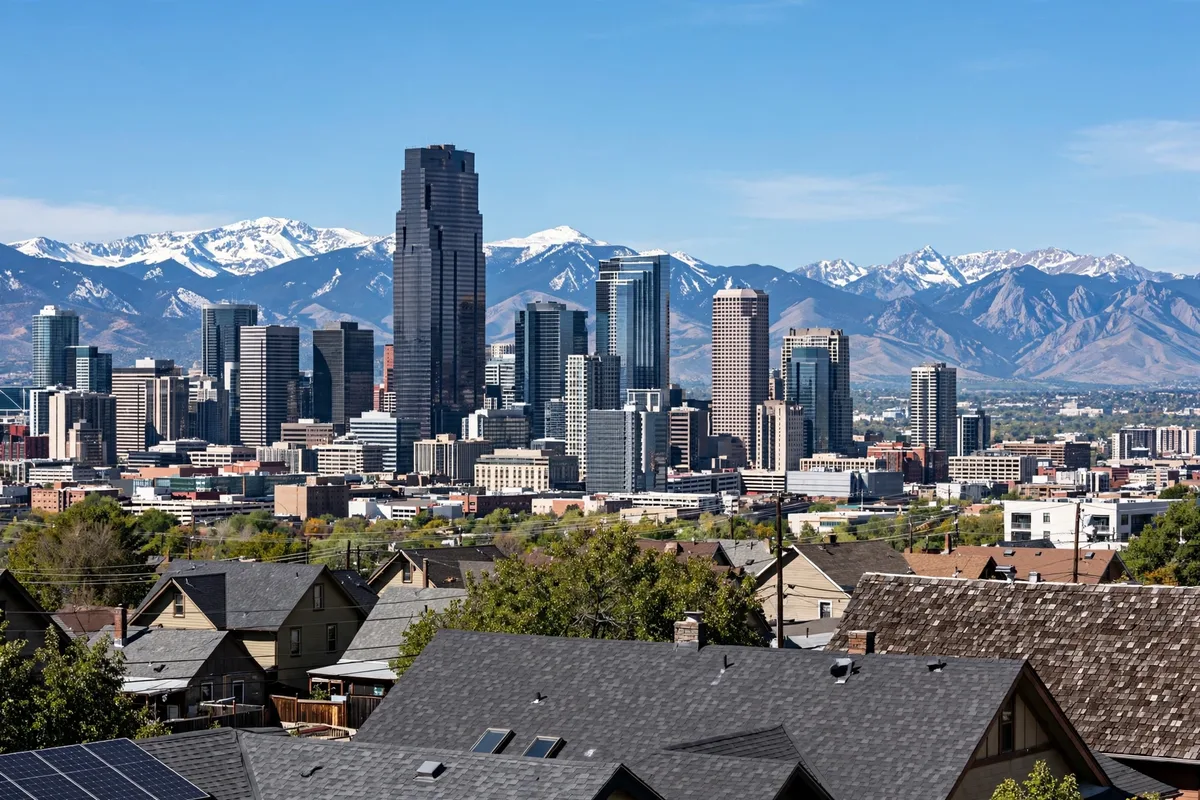
Denver packs 1880s Victorians, post-war ranches, and tight new builds into one city at 5,280 feet, so the twelve services below move from Capitol Hill boilers to Cherry Creek rooftop units without missing a beat.
Capitol Hill Victorians and Park Hill bungalows run on older furnaces that need steady care, and we repair ignition faults, cold air, and short cycling, or replace units that keep failing.
Learn more →Many pre-war Denver homes still heat with boilers and radiators, and we repair leaks, cold radiators, and pressure trouble in them.
Learn more →Heat pumps fit Denver mild shoulder seasons and hot afternoons, and we install and repair them across the city, including in Washington Park and Bonnie Brae.
Learn more →July afternoons in Denver push AC units hard, and we repair units that blow warm air, freeze up, or cycle oddly.
Learn more →Mini-splits add heating and cooling to LoDo lofts, additions, and finished basements without new ductwork.
Learn more →Denver dry air suits evaporative coolers, and we service pads, pumps, and water lines through summer.
Learn more →Dry Denver air dries out wood floors, furniture, and sinuses, and sealed ductwork keeps indoor air steadier through winter.
Learn more →A yearly tune-up catches worn parts, checks safety controls, and keeps a Denver furnace and AC ready for the first cold snap and the first heat wave.
Learn more →LoDo offices, Cherry Creek shops, and RiNo restaurants need steady heat and cooling, and we service their rooftop units and split systems.
Learn more →A Denver furnace that quits on a cold night, or an AC that dies on a hot afternoon, gets a technician on the way when you call us.
Learn more →Radiant floors warm Denver additions, basements, and bathrooms evenly, and we repair cold loops and install new ones.
Learn more →Tight, well-sealed Denver new builds stay fresh with an ERV, and we install them to bring in fresh air while holding onto heat and moisture.
Learn more →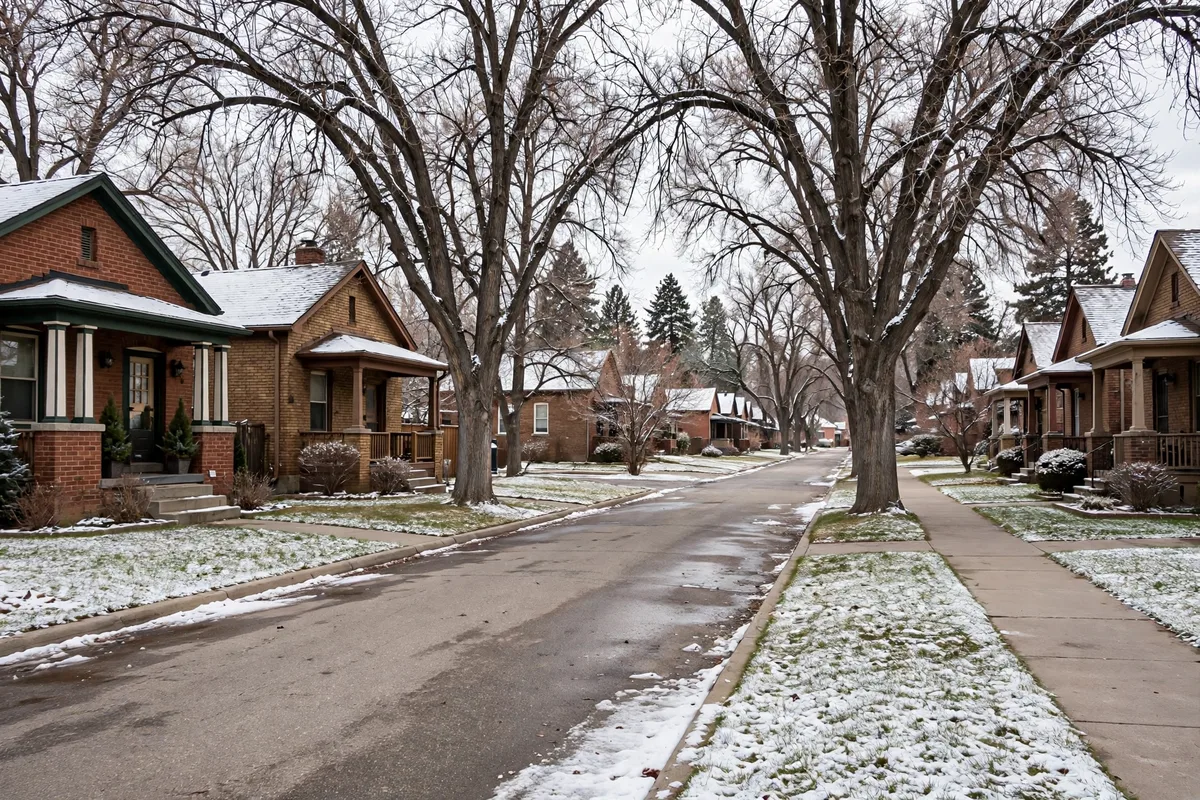
We serve Denver from LoDo and Capitol Hill to Cherry Creek and Park Hill, including:
Our Denver coverage runs from RiNo to Washington Park, covering 80202, 80203, 80205, 80206, 80211, 80212, and 80238.
Denver Union Station anchors LoDo, Coors Field draws crowds downtown, and the Denver Art Museum and the State Capitol sit near Capitol Hill. Washington Park gives south Denver its best-known green space. South Pearl Street and Larimer Square are two of the dining districts people use as meeting points. Denver Health Medical Center serves the central city, and Denver International Airport (DEN) sits northeast of town.
Denver is a high-altitude city with a wide swing between seasons. Winter nights drop well below freezing, summer afternoons climb into the 90s, and the air stays dry all year. A heating system that handles a January cold snap and a cooling system that keeps up with a July afternoon both matter here, and many Denver homes need both in the same year.
Housing across Denver spans more than a century. Central neighborhoods hold 1880s to 1920s Victorians and bungalows with old ductwork, radiators, and boilers. Post-war ranches fill the inner suburbs, and new builds keep rising across the metro. Each era brings its own heating and cooling quirks, from undersized returns in old bungalows to tight, well-sealed new homes that need fresh air.
Cold snaps punish weak furnaces. A furnace with a cracked heat exchanger, a failing ignitor, or a clogged filter often quits on the coldest night of the year. We repair those faults and replace furnaces that have run past their useful life.
Dry air dries out homes. Denver air pulls moisture from wood floors, furniture, and sinuses. Whole-home humidifiers and sealed ductwork keep indoor air steadier through winter.
Old ductwork starves rooms. Bungalows and Victorians often have ducts sized for a different era, so some rooms run hot while others stay cold. We test airflow, seal leaks, and rebalance supply so heat reaches every room.
Summer heat strains AC units. Long hot afternoons push condensers hard, and a low refrigerant charge or a dirty coil shows up as warm air or a frozen line. We find the cause and restore cooling.
Altitude changes combustion. At 5,280 feet, gas furnaces and boilers burn in thinner air, so proper setup and venting matter more than at sea level. We set up and service gas equipment for Denver altitude.
When a January cold snap or a July heat wave is on the way for Capitol Hill, Park Hill, and the rest of Denver, the National Weather Service forecast office in Boulder carries the local forecast, and the EPA indoor air quality pages cover indoor air in homes that stay sealed against dry air and old ductwork.
Yes. We serve Capitol Hill, Cherry Creek, Washington Park, Park Hill, Platt Park, Five Points, Bonnie Brae, LoDo, RiNo, and LoHi, along with the rest of Denver. Tell us your neighborhood when you call so we can plan the visit.
Old ductwork is a common cause. Bungalows often have ducts sized for a different era, with leaks and long runs that lose heat before it reaches the far rooms. We measure airflow through those old bungalow ducts, seal the leaks, and rebalance supply until the far rooms warm up too.
Many pre-war Denver homes already have radiators and boiler piping in place, and a well-kept boiler heats those homes evenly. We fix leaks, cold radiators, and pressure trouble in those pre-war systems, and swap out a boiler that has run past its useful life.
Yes. Modern cold-climate heat pumps heat through Denver winters and cool in summer, and they fit mild shoulder seasons from Washington Park to Bonnie Brae. We size them for the home. A Capitol Hill Victorian needs a different answer than a tight new build, and we check defrost cycles, airflow, and refrigerant charge so they hold output on cold January nights.
Denver air stays dry all year, and heating dries it further. That dry air shows up as static, cracked wood, and scratchy throats. A whole-home humidifier puts moisture back into that dry Denver air, and sealed ducts keep the added moisture from escaping.
Before the first cold snap, put in a fresh filter, clear the vents and returns, and have the furnace checked. We inspect burners, ignition, safety controls, and airflow, and we flag worn parts before a January night in Capitol Hill or Park Hill tests them.
Last updated: October 16, 2026.