Furnace Repair & Installation
Thin air at 8,200 feet changes how a Vail furnace burns, and valley shade keeps East Vail cold, so we tune combustion, seal ducts, and fix ignition faults and short cycling.
Learn more →Vail Heating & Cooling
Vail sits at about 8,150 to 8,240 feet in a narrow Gore Creek valley, a town about seven miles long along I-70 with one of Colorado's largest ski areas above it. From Vail Village condos to Lionshead lodges and East Vail chalets along Gore Creek, we repair, install, and maintain the HVAC systems Vail relies on through long winters and deep snow.
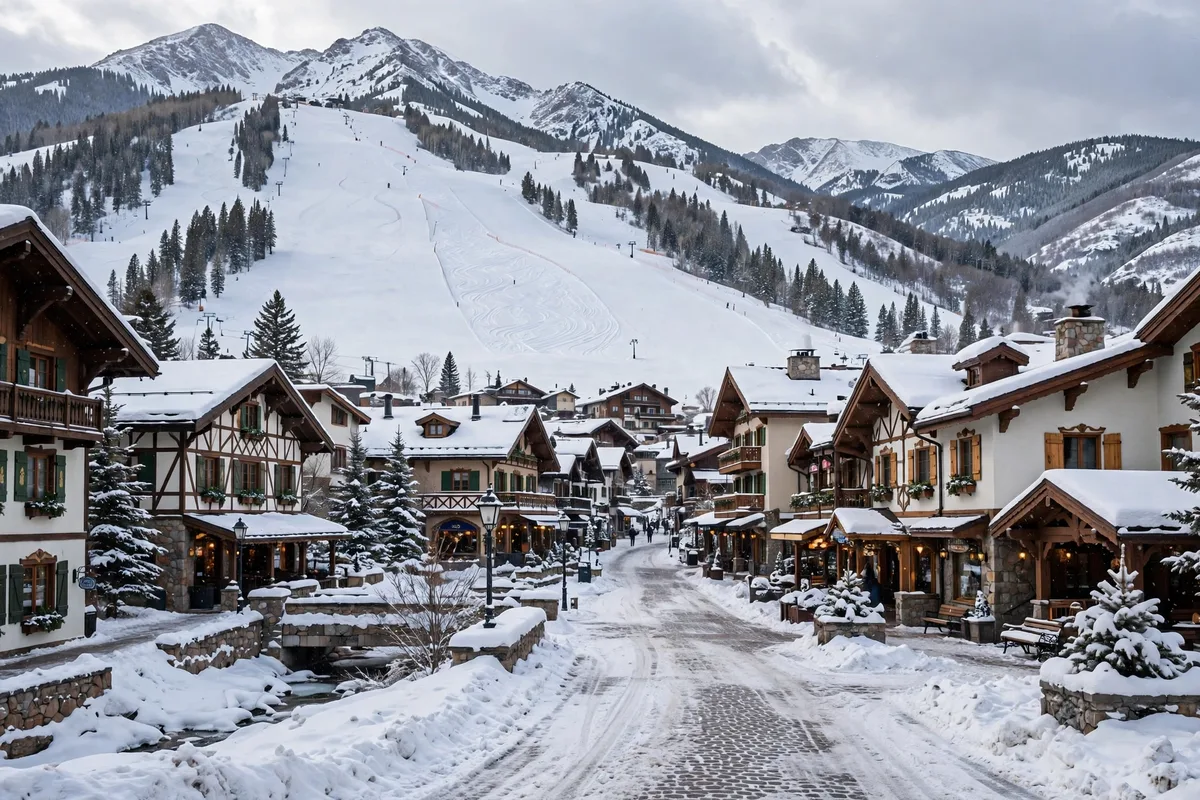
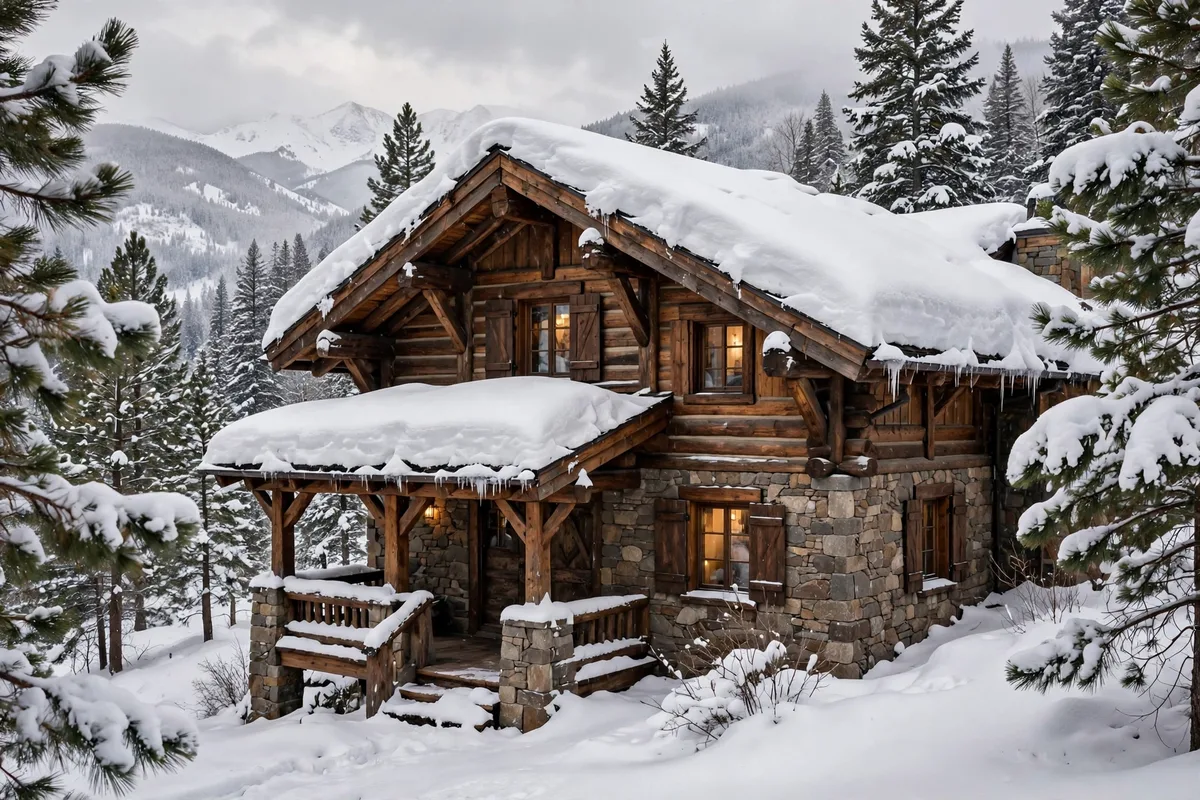
We serve Vail from Vail Village and Lionshead to West Vail and East Vail, including:
ZIP codes we serve in Vail include 81657.
Vail Mountain rises over town, Gore Creek runs through the valley, and the Betty Ford Alpine Gardens sit in the village. Vail Village anchors the east end and Lionshead anchors the west end. Vail Health Hospital serves the area, and Eagle County Regional Airport (EGE) sits west of town.
Altitude changes combustion. At about 8,150 to 8,240 feet, gas furnaces and boilers burn in much thinner air than at lower elevations. Proper setup, venting, and combustion checks keep Vail furnaces and boilers running safely and steadily in thin air above Gore Creek.
Vacant-unit freeze risk. Much of Vail housing serves vacation rentals and second homes, and a Lionshead condo or an East Vail chalet with a failed furnace can drop below freezing within hours on a cold night, with burst pipes following. We service furnaces and boilers, check thermostats, and help owners keep heat steady between guest stays.
Deep snow buries outdoor units. Vail gets about 190 inches of snow in a typical year, so the outdoor unit outside a Cascade Village chalet or a West Vail home can sit under drifts for months while ice buildup blocks airflow and defrost. We dig the unit out, check defrost cycles, and keep outdoor units running through Vail snow.
Valley shade and cold pockets. The narrow Gore Creek valley shades some streets early in winter, and those shaded homes run colder than sun-facing ones. We check sizing and airflow so shaded homes hold heat.
Condo and lodge systems. Vail Village and Lionshead hold condos and lodges with shared mechanical rooms, and a fault in one unit can affect neighbors. We service individual units and trace shared-system faults.
Vail weather turns on mountain snow and valley shade, so check the National Weather Service forecast office in Grand Junction, about 190 inches of snow in a typical year, plus valley shade that keeps East Vail cold, make the mountain forecast worth checking, and the EPA indoor air quality pages for guidance on indoor air in your home.
Vail is a long, narrow town stretched along Gore Creek under Vail Mountain, and its shape matters for heating and cooling. West Vail, Vail Village, Lionshead, Cascade Village, and East Vail all sit at different points along the valley, with different sun, wind, and snow. Winters run long and cold with about 190 inches of snow in a typical year. Summers stay mild, with highs in the 60s and 70s.
Housing in Vail runs from condos and lodges in the villages to chalets and homes along Gore Creek. Much of the housing stock in Vail Village and Lionshead serves vacation rentals and second homes, and many units sit empty between guest stays along Gore Creek. An empty condo with a failed furnace can freeze pipes fast. Radiant heat, boilers, and forced-air systems all appear across town.
Vail sits at 8,150 to 8,240 feet along Gore Creek, with thin air, valley shade, deep snow, and lodge and condo systems that sit empty between visits, so the twelve services below lean on altitude combustion, freeze protection, and snow-cleared units.
Thin air at 8,200 feet changes how a Vail furnace burns, and valley shade keeps East Vail cold, so we tune combustion, seal ducts, and fix ignition faults and short cycling.
Learn more →Many Vail lodges and condos heat with boilers and radiant loops, and we repair leaks, cold radiators, and pressure trouble in them.
Learn more →A heat pump in Cascade Village or West Vail has to handle deep snow and valley cold, and we install and repair units sized for both.
Learn more →Vail summers stay short and mild, and we repair AC units that blow warm air, freeze up, or cycle oddly in condos and lodges.
Learn more →A condo or a guest suite in Lionshead gets heating and cooling from a mini-split, with no ductwork to run.
Learn more →A Vail swamp cooler only runs a few weeks a year, and we keep its pads, pumps, and water lines ready.
Learn more →Dry mountain air and wood heat leave Vail homes parched and stuffy, so humidifiers, filters, and ventilation even things out.
Learn more →A yearly tune-up keeps a Vail furnace and AC ready for deep snow and short summers.
Learn more →Vail Village shops and Lionshead lodges run rooftop units and split systems, and we keep them heating and cooling.
Learn more →A Vail furnace that quits during a snowstorm, or a pipe that freezes in an empty condo, gets a technician on the way when you call us.
Learn more →Radiant heat under a Vail Village condo floor or a West Vail bathroom warms evenly, and we repair cold loops and install new ones.
Learn more →A Vail condo sealed against mountain cold traps stale air, and an ERV swaps it for fresh air while holding onto heat.
Learn more →Yes. We serve Vail Village, Lionshead, Cascade Village, West Vail, East Vail, and the neighborhoods along Gore Creek. Tell us your neighborhood when you call so we can plan the visit.
Do not switch the heat off between guest stays. Have the furnace or boiler checked before the rental season, because an empty condo in Vail Village or Lionshead can drop below freezing within hours on a cold night if its furnace fails, and burst pipes follow. We service heating systems and check thermostats so the heat holds steady while the unit sits empty.
Yes, with the right setup. A cold-climate heat pump in Vail has to handle long winters at about 8,200 feet, deep snow, and valley shade that keeps East Vail cold, and it still cools through the short summer. We size the unit for the home, check defrost cycles, airflow, and refrigerant charge, and keep snow and ice clear of outdoor units.
A stuck valve, a clogged radiant loop, or a blocked duct often leaves one room cold in a Lionshead condo or a West Vail chalet. In village condos, a fault in a shared mechanical room can affect neighbors. We trace the system, repair the fault, and restore even heat.
The narrow Gore Creek valley shades some streets early in winter, and shaded homes lose solar gain that sun-facing homes keep. We check sizing and airflow so shaded homes hold heat.
Have the furnace or boiler checked in Vail Village, clear snow from outdoor units and vents in Cascade Village, and confirm the thermostat holds a steady temperature. We inspect burners, ignition, safety controls, and airflow, and we flag worn parts before a cold night in Vail Village tests them.
Last updated: October 16, 2026.