Ventilation System Comparison
ERV vs. HRV: What Is the Difference?
An ERV and an HRV both swap stale indoor air for fresh outdoor air. The difference is moisture: an ERV keeps some of it, and an HRV lets it go.
Last updated: October 16, 2026.
Tight, well-sealed homes hold heat well, but they also hold stale air. Cooking smells linger, humidity builds in bathrooms, and dust hangs in the air. A ventilator fixes that by swapping stale indoor air for fresh outdoor air, without throwing away the heat you already bought.
Two ventilator types do this job: the energy recovery ventilator (ERV) and the heat recovery ventilator (HRV). They look alike and install alike, and they differ in one place that matters in Colorado: how they treat moisture. This guide compares them side by side, so you can pick the one that fits your home.
The one-line difference
An HRV moves heat from outgoing air to incoming air and lets moisture leave with the stale air. An ERV moves heat and moisture, so it keeps some indoor moisture instead of venting it all outside. In a dry Colorado winter, that moisture matters, because dry indoor air already runs low.
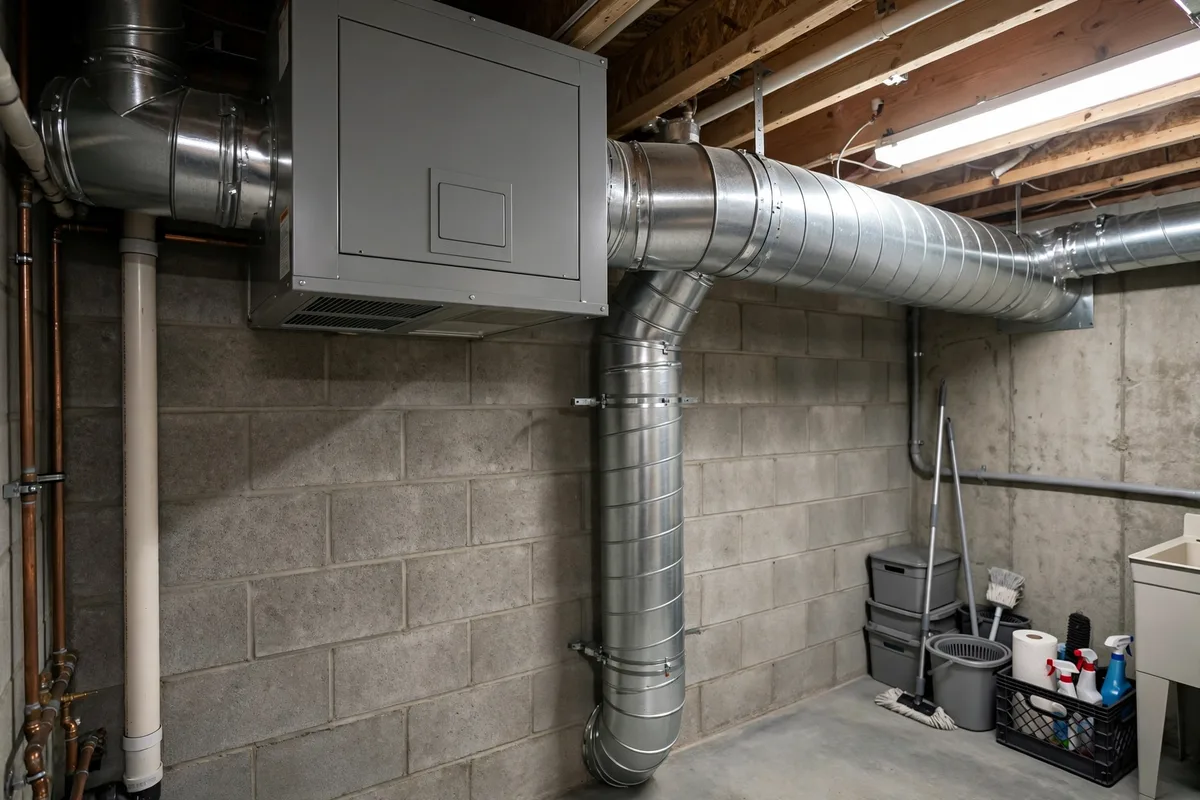
Both units mount near the furnace or in a utility space and tie into the ductwork. Both use a core that passes outgoing and incoming air streams past each other without mixing them. The ERV core passes moisture through a membrane, while the HRV core passes heat through metal or plastic plates. Our ERV Installation page covers how we install ERVs across Colorado.
What each one moves
An HRV moves heat. Warm, stale air leaves through one side of the core, cold fresh air enters through the other side, and the core hands heat from the outgoing stream to the incoming stream. The home gets fresh air that arrives pre-warmed, and the furnace does less work to bring it to room temperature.
An ERV moves heat and moisture together. The core hands heat across like an HRV, and it also hands moisture across, so a dry winter day does not strip the home of the moisture it has. In summer, the same membrane keeps some outdoor humidity outside instead of pulling it into the home.
Moisture: the Colorado difference
Colorado air runs dry, and winter heating dries it further. An HRV in a Colorado winter vents indoor moisture with the stale air, which can leave the home drier than it started. That dryness shows up as static shocks, cracked skin, and wood floors that gap.
An ERV fits that climate better for most Colorado homes, because it holds onto indoor moisture while it swaps the air. Homes with a whole-home humidifier pair well with an ERV, since the ERV keeps the moisture the humidifier adds. Our Indoor Air Quality page covers humidifiers and other air treatments that pair with ventilation.
House-by-house fit
A tight, well-sealed new home gains the most from an ERV, because the home already traps air and moisture. The ERV turns the air over without drying the home out. An older, leakier home already swaps air through gaps, so a ventilator may add less, and sealing drafts may come first.
A home with a damp basement or a chronically wet bathroom may suit an HRV better, because the HRV vents moisture along with stale air. A home with a wood stove or a gas fireplace needs a ventilation plan that respects the venting, so a technician should size and place the unit.
Install and upkeep
Install takes a day in most homes. The unit mounts on a wall or hangs from joists, ducts run to the outdoors and into the home, and the technician balances the airflow so the home stays near neutral pressure. A balanced system neither pushes air out through gaps nor sucks cold air in through them.
Upkeep stays light. Check the filters each season and clean or swap them when they look dusty. The core needs a cleaning on the schedule in the manual, and a yearly visit keeps fans, drains, and controls in shape. A dirty filter chokes the unit and dulls the fresh-air effect, so the seasonal check matters.
Which one fits your home
Pick an ERV when your home runs dry in winter, when you run a humidifier, or when you want fresh air without losing moisture. Pick an HRV when your home runs damp, when bathrooms stay steamy, or when you want the simplest heat-only exchange.
Tell us how tight your home feels, whether winter air dries your skin, and where moisture shows up. We will walk through the fit for your home and lay out the next steps. Get an Estimate or call us at (303) 879-1746.
Further reading: The U.S. Environmental Protection Agency indoor air quality guide covers ventilation, moisture, and pollutant sources at home. U.S. Environmental Protection Agency indoor air quality guide
Frequently Asked Questions
No. An ERV vents and conditions fresh air, while the furnace filter catches dust in the air that moves through your ducts. A home needs both.
Yes, but an HRV sheds moisture with stale air, which can leave a dry home drier. An ERV keeps more moisture indoors, which suits Colorado winters.
No. Both types pass outgoing air past incoming air and hand off heat. The home keeps most of the warmth while the air turns over.
It mounts near the furnace or in a utility space and ties into the ductwork. A technician sizes it to the home and balances the airflow.
Check the filters each season and clean or swap them when they look dusty. A yearly visit keeps the core and fans in shape.